LV
LV



In stock. Delivery time 2–4 busness days.
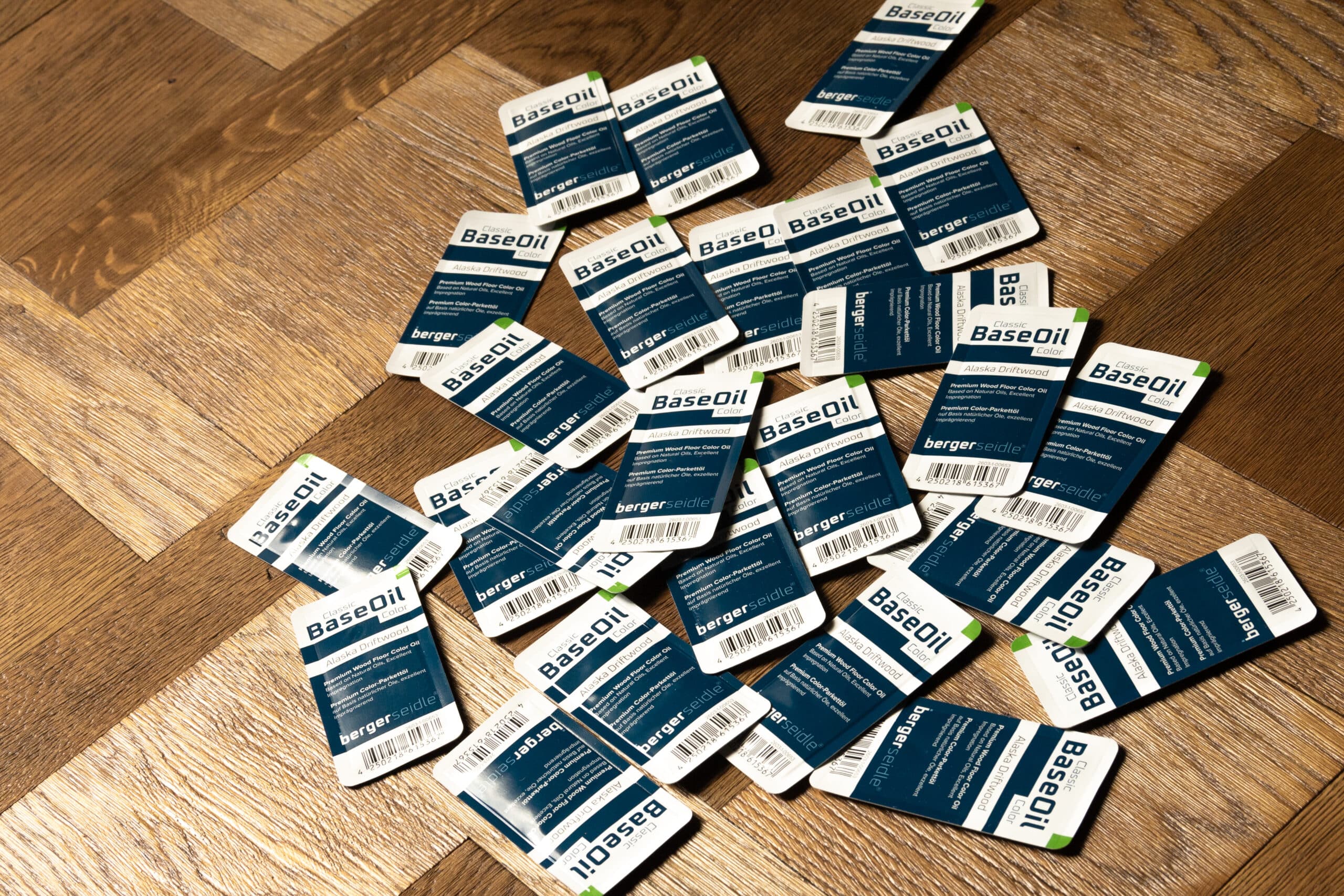
High-solids, eco-friendly, deep-penetrating natural oil-based oil. MINI pack for testing the color shade.
EUH208 Contains 1,2-benzisothiazol-3(2H)-one; 1,2-benzisothiazolin-3-one; adipohydrazide; reaction mass of: 5-chloro-2-methyl-2H-isothiazol-3-one [EC No. 247-500-7] and 2-methyl-2H-isothiazol-3-one [EC No. 220-239-6] (3:1). May produce an allergic reaction.
EUH210 Safety data sheet available on request.
EUH211 Warning! Hazardous respirable droplets may be formed when sprayed. Do not breathe spray or mist.
Manufacturer:
Berger-Seidle GmbH
Maybachstraße 2
67269 Grünstadt
Germany
E-mail: info@berger-seidle.de
Website: https://berger-seidle.de/
Contact phone: +49 700 24112112
High-solids, eco-friendly, deep-penetrating natural oil-based parquet oil. In addition to the colorless Classic BaseOil, a pigmented oil variant (60+ shades) is also available for wood tinting and designer color solutions. This product can be overcoated with AquaSeal 2K-PU,
AquaSeal CeramicStar, AquaSeal GrenStar, AquaSeal EcoGold, as well as SolvSeal LT-Export Extra and Classic Hardoil. To preserve the open-pore effect of the wood, a second coat of oil or, alternatively, Classic 100ProOil should be applied.
Certificates, approvals: Giscode: Ö10+ (Classic BaseOil); Giscode: Ö40 (Classic BaseOil Color); Giscode: Ö60 – KG40874, KG40886, KG40460,
KG40819; AbZ-Nr: Z-157.10-48; DIN EN 71-3: safe for children’s toys (Classic BaseOil + Classic BaseOil Color); DIN 53160: resistant to saliva and sweat (Classic BaseOil); DIN 51130/DGVU 108-003 / slip resistance classes: R9, R10, R11.
Gloss
The gloss level of the treated surface depends on the sanding, the application method, and the post-treatment. After polishing, the surface will have a semi-matte finish. The gloss level can be increased through further treatment and maintenance.
Special notes
– Cloths, pads, and other tools impregnated with oil/wax, as well as wood sanding dust mixed with oil, can spontaneously combust. Therefore, they must be soaked in water and discarded or, if necessary, stored in a sealed metal container. The product itself cannot spontaneously combust.
Please observe Berger-Seidle Technical Safety Instruction No. 17;
– When using tinted oil, ensure that packages with the same batch number are used for a single project;
– If thinning is required, use Brilliane Cleaner L91;
– The oil must be thoroughly stirred before use;
– Application conditions must comply with DIN 18356 standards;
– Classic BaseOil *naturweiss* (natural white) preserves the wood’s natural tone, particularly for medium-brown woods (e.g., oak) and light-colored woods (e.g., pine). If treating other wood species, we recommend applying a test coat. If desired, Classic BaseOil *naturweiss* can be combined with Classic BaseOil *farblos* (colorless) or *reinweiss* (pure white). To achieve the desired effect on light-colored woods, we recommend using Classic BaseOil *reinweiss*; for example, this oil helps prevent yellowing in maple wood;
– If the surface is subsequently treated with water-based lacquers, uncured oil may be forced out of the gaps due to wood swelling. This oil must be removed during the intermediate sanding process; – As the oil oxidizes/dries, a characteristic odor is noticeable; this will dissipate after a few days;
– Drying may be compromised if the oil comes into contact with silane-based adhesives (see Technical Information No. 21);
– Application of the oil/water-based lacquer system is also possible on exotic wood species. However, given the wide variety of exotic woods, it is best to consult Berger-Seidle technicians and perform a test application.
Application
– The sanded surface must be smooth, free of sanding marks and visible defects. If necessary, it is recommended to fill joints with AquaSeal Pafuki, AquaSeal Pafuki Pulver, or SolvSeal PafukiSuper;
– Before oiling, the surface must be completely wetted with water. Allow it to dry until it appears visually dry. This step is mandatory before applying a combination of tinted oil and oil/water-based lacquer;
– Apply Classic BaseOil until the wood is fully saturated. A foam applicator or a microfiber lacquer roller can be used for this purpose. The oil can also be applied thickly using a trowel in a cross-coat technique. After application, remove excess oil by buffing the surface with a single-disc machine, using first a beige pad and then a white pad. In any case, the formation of an oil film must be avoided; this means that any excess oil must be completely removed. To remove oil that has seeped out of the joints, the surface should be buffed again after one hour. After allowing the surface to dry overnight, a second coat of oil may be applied, depending on the wood’s absorbency. Less oil is required for the second coat.
Drying
Under normal conditions (23°C / 50% relative humidity): the surface is ready for use after approximately 12 hours, and can be overcoated with varnish after 24 hours. Drying times may be significantly longer for wood species containing substances that retard drying, or in conditions of poor ventilation, lower surface temperatures, etc.
| Weight | N/A |
|---|---|
| Dimensions | N/A |
| Packaging | 0,6 ml |
| Color tone | Alsaka driftwood, Azobé, basalt gray, black, cappuccino, cashmere white, clear, ebony, extra black, extra white, greyish-brown, latte macchiato, natural white, oak, old-oak, pearl white, pernambuco, platin grey, silver grey, smoked oak, teak, walnut, wenge, white, white oak |
Related products

Avalon natural oils

Berger-Seidle oils
Classic BaseOil Color – COLORED oil for varnishing, oiling or waxing
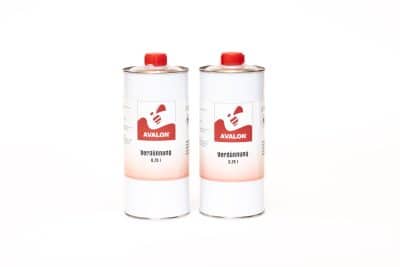
Avalon natural oils

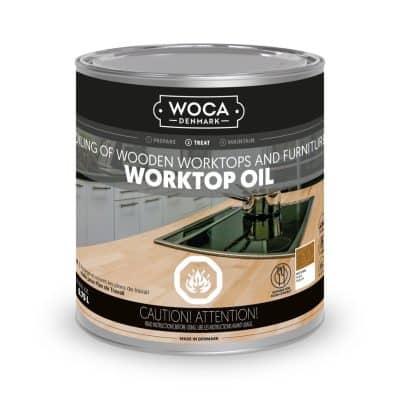
Avalon natural oils

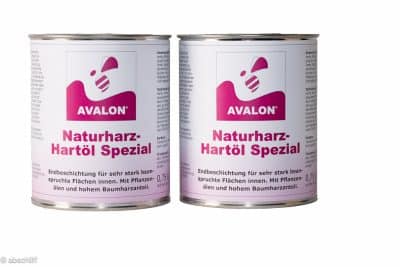
Avalon natural oils